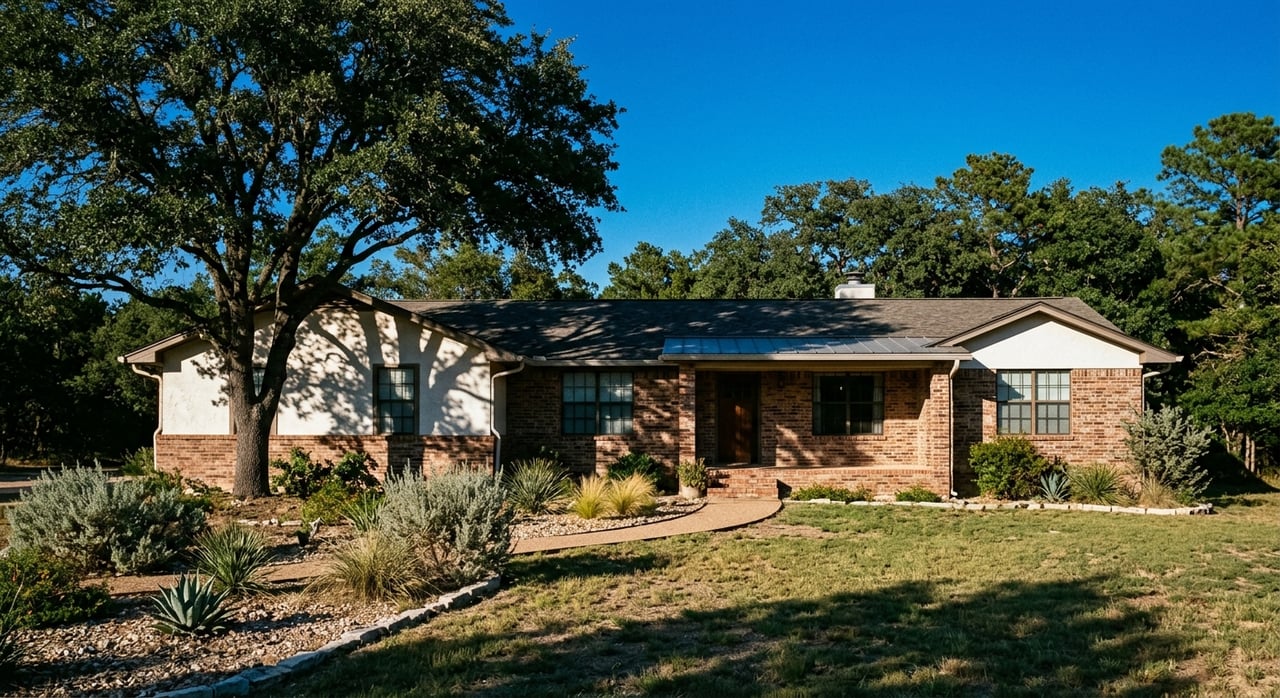
Thinking about leaving East or Central El Paso for something with more breathing room? That question comes up often when your current home still works, but your daily routine, space needs, or long-term goals have started to change. If Upper Valley is on your radar, this guide will help you compare what life there can really feel like, what tradeoffs to expect, and how to decide if the move fits your next chapter. Let’s dive in.
Upper Valley Feels Different by Design
If you are coming from East or Central El Paso, Upper Valley can feel like a real shift in pace. City planning describes Upper Valley as a low-density area shaped by agricultural uses, irrigation canals, drainage channels, and a more limited road network.
That is very different from Central El Paso, where traditional neighborhoods are built around smaller blocks with homes, parks, and small shops integrated into the street grid. It also contrasts with East of Zaragoza planning, which calls for dense residential and mixed-use development where driving should be optional rather than required.
For you, that means the decision is not just about changing neighborhoods. It is about choosing a different daily rhythm, with more space and privacy on one side and more close-in convenience on the other.
What Upper Valley Offers Buyers
Upper Valley stands out for openness. El Paso’s planning documents identify the Rio Grande corridor as one of the city’s strongest open-space opportunities, with more than 1,000 acres of undeveloped river-corridor land remaining in the area.
That wider landscape helps explain why Upper Valley often feels more scenic and less packed in than denser parts of the city. The corridor is also generally available for trails and park features, which adds to the area’s outdoor appeal.
For many buyers, this setting points toward homes with more separation from neighbors and more room around the property. Based on the land-use pattern described in city planning, Upper Valley is commonly associated with detached homes, larger residential tracts, agricultural land, and the infrastructure that supports that environment.
Space Comes With More Upkeep
More room can be a major plus, especially if you are moving up from a smaller lot or a more compact neighborhood pattern. A larger yard, extra outdoor space, or a quieter setting may be exactly what you want next.
At the same time, more land often means more maintenance. If you are used to the tighter lot patterns common in Central or denser Eastside areas, Upper Valley may ask more from you in terms of outdoor upkeep and routine property care.
That does not make one option better than the other. It simply means your ideal move depends on how you want to spend your time once you get home.
Outdoor Access Is Part of the Appeal
If you enjoy being outside, Upper Valley has a strong case. City trail planning identifies a trailhead at Artcraft and Upper Valley, and El Paso’s open-space vision connects the Rio Grande corridor, irrigation canals, and drainage features to a broader network of trails, parks, and natural areas.
That kind of planning support matters because it reinforces what many buyers notice right away. Upper Valley is not just less dense. It is tied to a landscape-oriented setting that can feel more connected to open land and outdoor recreation.
Commute and Errands Matter More Here
This is usually the biggest point to think through carefully. The Northwest Upper Valley plan notes that only a few collector roads serve the area, and bridge crossings at Country Club, Artcraft, and Borderland concentrate traffic.
The same plan also says commercial uses in the study area were limited, with shopping and services concentrated on Country Club Road. In everyday terms, that can mean more driving for errands and fewer quick, spontaneous stops compared with East or Central El Paso.
If you currently enjoy shorter errand runs, nearby services, or a more connected street pattern, this may feel like a meaningful adjustment. If your priority is a quieter residential setting with more space, the trade may feel well worth it.
How Upper Valley Compares to Central El Paso
Central El Paso offers a very different experience. City information describes Central as a jobs-and-commuters hub, with almost half of Central El Paso employees commuting in from outside districts.
That helps explain why Central often feels more connected to everyday activity. Its smaller-block pattern and integrated uses can support a more urban routine, where work, errands, parks, and neighborhood services may feel closer together.
If you are moving from Central to Upper Valley, you are likely trading immediacy for elbow room. For some buyers, that is the upgrade they have been waiting for. For others, it can feel like giving up too much convenience.
How Upper Valley Compares to East El Paso
East-side planning presents the opposite model from Upper Valley. The city’s guidance for East of Zaragoza describes dense residential, mixed-use, and civic uses located close together, with driving treated as optional.
That is useful if you are trying to picture your future routine. East El Paso can support a more compact lifestyle, while Upper Valley leans toward a spread-out valley setting where a car-centered routine is more common.
If your household wants more land, more privacy, and a less urban feel, Upper Valley may check more boxes. If your household values convenience first, East El Paso may still fit your lifestyle better.
Road Access Shapes Daily Life
Transportation planning reinforces why this choice feels so practical, not just personal. TxDOT describes SH 178, or Artcraft Road, as a vital regional link and proposes grade separations at Upper Valley Road and Westside Drive to reduce delays.
TxDOT also identifies I-10 as the backbone of El Paso’s road network and says it carries 32% of all vehicle miles traveled in the city. For you, that means route planning, work location, and drive times should be part of the decision from the start.
A home can look perfect on paper but feel different once commute patterns and regular trips are added in. That is why your weekly routine matters just as much as the house itself.
Who Upper Valley Usually Fits Best
Upper Valley is often a strong match if you want more space, a less urban atmosphere, and easier access to river-corridor open space. It can be especially appealing when your goal is a calmer residential feel rather than a tighter, more connected neighborhood pattern.
It may be less compelling if your top priorities are immediate walkability, frequent spontaneous errands, or the shortest possible trip to Central or East El Paso. In that case, the area’s lower density and limited road network may feel more restrictive than relaxing.
The key question is simple: are you trying to improve convenience, or are you trying to change your lifestyle? Upper Valley tends to make the most sense when the goal is a different daily rhythm, not just a different address.
What to Verify Before You Buy
As you narrow down options, make sure your due diligence matches the area. City planning documents describe Upper Valley as part of the Rio Grande flood plain, so flood risk is one of the most important items to review carefully.
The City of El Paso flood-zone resources and FEMA flood maps are the official places to verify current and preliminary flood-hazard information. What matters most is the specific parcel, because risk can vary from one property to another.
You should also think through your normal routes for work, school, shopping, and appointments before making a move. In a location where road access and crossings shape daily travel, that practical review can save you from surprises later.
A Simple Way to Decide
If you are comparing East or Central El Paso with Upper Valley, try measuring the move against three questions:
- Do you want more indoor and outdoor space?
- Are you comfortable with a more car-oriented routine?
- Does a quieter, more open setting matter more to you than close-in convenience?
If you answered yes to most of those, Upper Valley may be the right next step. If not, your current side of town may still be the better fit for how you live day to day.
A smart move is not about following trends. It is about choosing the part of El Paso that supports your real life now and where you want it to go next.
If you want help comparing Upper Valley with East or Central El Paso homes, Celeste Aguilar can guide you through the options with local insight, responsive support, and a clear plan for your next move.
FAQs
Is Upper Valley El Paso less dense than East or Central El Paso?
- Yes. City planning describes Upper Valley as a low-density area shaped by agricultural uses, irrigation canals, drainage channels, and a limited road network, which contrasts with the denser patterns described in Central and East of Zaragoza.
Is Upper Valley El Paso good for buyers who want more space?
- Often, yes. The land-use pattern in city planning documents emphasizes larger residential tracts, agricultural land, and a more open setting, which generally supports a more spacious feel than denser parts of the city.
Is Upper Valley El Paso more car-dependent?
- In many cases, yes. Planning documents note limited collector roads, concentrated bridge crossings, and fewer nearby commercial uses, which can make driving a bigger part of your routine.
Are there outdoor features in Upper Valley El Paso?
- Yes. El Paso’s planning documents highlight the Rio Grande corridor as a major open-space opportunity, and city trail planning identifies a trailhead at Artcraft and Upper Valley within a broader network tied to trails, parks, and natural areas.
Should buyers check flood risk in Upper Valley El Paso?
- Yes. City planning documents describe Upper Valley as part of the Rio Grande flood plain, so buyers should verify the specific parcel using the City of El Paso flood-zone resources and FEMA flood maps.
Is Upper Valley El Paso the right move after East or Central El Paso?
- It depends on your priorities. Upper Valley is usually a stronger fit if you want more space, privacy, and a less urban feel, while East or Central may fit better if convenience and shorter routine trips matter most.
