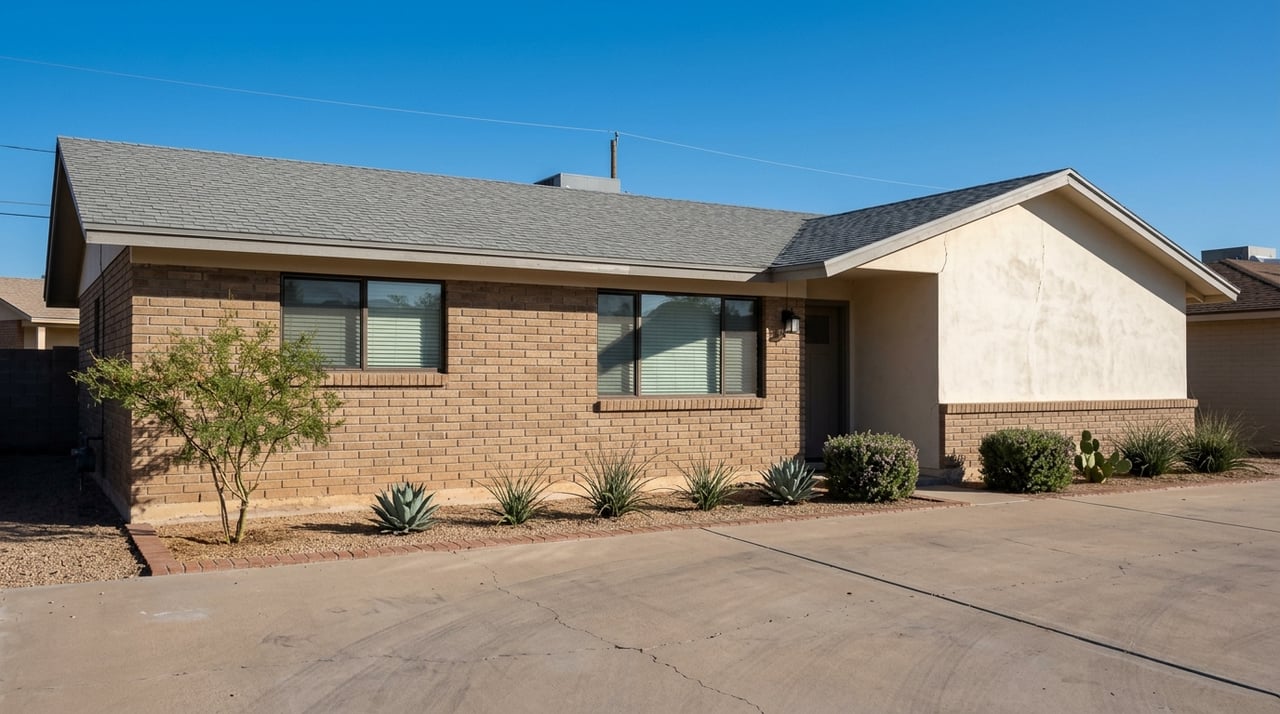
If you are thinking about buying a home in Central El Paso as a long-term rental, the numbers alone do not tell the whole story. In this part of El Paso, a property can look promising on paper but still create headaches if you miss key details like historic review, parking, condition, or true holding costs. The good news is that when you evaluate the right factors up front, you can make a much smarter decision with more confidence. Let’s dive in.
Why Central El Paso Draws Rental Demand
Central El Paso benefits from a location that keeps it connected to jobs, services, transit, and established neighborhoods. Plan El Paso highlights the value of preserving and revitalizing core neighborhoods built before World War II, especially areas near downtown and other central amenities.
That location story matters for long-term rentals. HUD describes the El Paso metro as a Borderplex hub supported by tourism, trade, medical services, UTEP, Fort Bliss, and cross-border commerce, which helps create a broad renter base across the region.
The renter pool is also meaningful in size. The U.S. Census Bureau reports El Paso had 681,723 residents in 2024, with a 60.8% owner-occupied rate and a median gross rent of $1,073, pointing to steady demand for rental housing across the city.
What the Rental Market Says
A Central El Paso rental can work well, but it needs to be underwritten with discipline. HUD’s January 1, 2025 housing market analysis says the overall El Paso rental market is balanced, with a 7.1% vacancy rate.
That same report adds an important detail for investors looking at houses instead of apartments. About 40% of renter households live in single-family homes or townhomes, and professionally managed detached single-family rentals had a very low 1.9% vacancy in December 2024.
That does not mean every house is a strong rental. It means well-located, rent-ready homes may perform better when they are priced correctly and easy for tenants to live in.
Start With the Right Tenant Fit
Before you focus on finishes or rent estimates, ask who this home is most likely to attract. In Central El Paso, demand may come from households connected to UTEP, downtown employment, medical services, Fort Bliss, or other central job centers.
A smaller home near transit and daily services may appeal to a student or downtown worker household. A larger house with practical parking and outdoor space may be better suited for a long-term renter who wants to stay put longer.
The key is to match the property to the most likely renter profile instead of assuming every central home appeals to everyone. That helps you make better choices on updates, lease strategy, and expected turnover.
Evaluate Location Beyond the Address
In Central El Paso, convenience often matters as much as square footage. Sun Metro Route 4 serves the downtown circulator, Route 10 links the Downtown Transit Center, Sunset Heights, and UTEP, and the El Paso Streetcar adds another mobility option in central areas.
That means a home near transit may have stronger appeal for renters who want flexibility in how they commute or get around. If a property also sits close to goods, services, sidewalks, and parks, it can become easier to market and easier to keep occupied.
Parks and trails add to that appeal. The City of El Paso manages more than 300 parks, and the local trail system includes the Rio Grande River Park Trail and Playa Drain Trail, which can help support demand from renters who value recreation access and outdoor space.
Parking Can Make or Break Appeal
Parking deserves special attention in Central El Paso. Research from the city’s historic guidance notes that many older homes were built with rear parking, and off-street parking can be a real advantage because downtown and uptown on-street meters are concentrated in those areas.
For a renter, parking is not a small detail. It can shape daily convenience, guest access, and even whether the home feels workable compared with another rental nearby.
When you tour a property, look at more than whether a driveway exists. Check how easy it is to access, how many vehicles it can realistically handle, and whether the setup fits the block and the house layout.
Older Homes Need Closer Inspection
Many Central El Paso homes have charm and strong location value, but older housing usually needs more careful review than newer suburban inventory. Deferred maintenance, unpermitted work, aging systems, and exterior issues can quickly change your numbers.
That is why pre-closing review matters so much. A realistic evaluation should include the home’s condition, any known repairs needed before leasing, and which items may be better treated as future capital replacements rather than immediate cosmetic projects.
In El Paso’s climate, some building components deserve extra weight. NOAA climate normals for El Paso International Airport show a mean annual temperature of 66.2°F, annual precipitation of just 8.78 inches, and a July mean daily high of 95.8°F, which makes HVAC performance, roof condition, exterior finishes, and water-conscious landscaping especially important.
Check Historic District and Permit Issues Early
This is one of the biggest traps for Central El Paso investors. If a home is in a designated historic district or is an independent historic structure, the City of El Paso Historic Preservation Office may review exterior changes.
According to city guidance, work such as re-roofing, windows, doors, driveways, fences, and even landscaping can trigger design review in some cases. That can affect both your renovation timeline and your budget.
You also want to confirm zoning and permit history early. The city states that property must be zoned for the intended use before a building permit is issued, and Code Enforcement handles property maintenance and zoning complaints, so it is smart to verify what was done, what was permitted, and what may still need attention.
Underwrite Holding Costs Carefully
A property that looks affordable at first glance can still disappoint if you underestimate ongoing costs. In Texas, there is no state property tax, and local taxing units set the tax rate stack, so you should verify the full tax burden for the specific parcel with the El Paso Central Appraisal District and the city tax office.
Do not rely on a rough countywide shortcut when you are evaluating one house. Parcel-specific taxes can materially affect cash flow, especially in a tighter deal.
You should also model insurance, repairs, utilities during vacancy, turnover cleaning, leasing costs, and management. Even in a balanced rental market, those line items can separate a stable long-term hold from a property that underperforms.
Budget for Vacancy and Turnover
Balanced does not mean risk-free. HUD reports a 7.1% rental vacancy rate across the market, which means some downtime and competition should be part of your planning.
The best protection is usually a house that is simple to maintain, easy to show, and practical for everyday living. If tenants can park easily, stay comfortable in the summer, and access transit or daily services without hassle, your odds of reducing vacancy often improve.
A conservative rental analysis should include some empty time between tenants. It should also include realistic repair and cleaning costs so your numbers still work when things do not go perfectly.
Know the Texas Landlord Rules That Affect Planning
Texas landlord-tenant rules matter when you are estimating risk and operations. The Texas State Law Library notes that landlords must repair conditions that materially affect an ordinary tenant’s health or safety, and the reasonable response window is often treated as about 7 days depending on the facts.
That makes repair coordination important, especially if you live out of area. If you are a remote owner, you need a clear plan for who handles vendor access, repair calls, and leasing logistics.
Texas guidance also notes there is no state law regulating landlord entry, so your lease language should clearly spell out notice expectations, emergency access, and vendor access. That is a practical issue, not just a legal one, because clear expectations can help avoid confusion during the lease term.
Do Not Overlook Deposit and Move-Out Timing
Security deposit rules affect operations and bookkeeping more than many new investors expect. Under Texas law, a landlord generally must refund a security deposit within 30 days after the tenant surrenders the property, once the landlord has the tenant’s forwarding address.
For move-outs and potential evictions, timing matters too. Texas generally requires a written notice to vacate, with a default 3-day period unless the lease says otherwise.
These rules should shape how you document condition, handle move-in and move-out procedures, and prepare your lease process. A clean system is especially helpful if you expect turnover to happen while you are managing the property from a distance.
A Simple Rental Evaluation Checklist
When you review a Central El Paso home as a long-term rental, focus on the issues that most affect performance:
- Who is the most likely renter for this home
- How close the property is to transit, jobs, parks, and daily services
- Whether parking is off-street, functional, and competitive for the block
- What repairs are needed before listing the home for rent
- Which systems may need future replacement, especially HVAC and roofing
- Whether the property is in a historic district or subject to exterior review
- Whether prior work appears permitted and compliant
- The parcel’s actual tax burden, plus insurance and management assumptions
- Your plan for repairs, vendor access, and showings if you are a remote owner
Why the Best Rentals Tend to Be Boring
The strongest long-term rental is not always the most dramatic house on the block. In many cases, it is the property that quietly checks the right boxes: solid condition, practical layout, manageable maintenance, clear compliance status, and a location that makes daily life easier.
In Central El Paso, that often matters more than chasing a high rent number on day one. A home near transit and job centers, with no major deferred maintenance and no surprise permitting issues, is usually easier to hold over time.
If you want help evaluating a Central El Paso property before you buy, or if you need local guidance on what may rent well in this part of the city, Celeste Aguilar can help you look at the details with a practical, investor-minded lens.
FAQs
What makes a Central El Paso home attractive as a long-term rental?
- A strong candidate usually combines central location, practical parking, good condition, and easy access to transit, jobs, parks, and daily services.
What should you check about historic district rules in Central El Paso?
- You should confirm whether the home is in a designated historic district or historic structure, because exterior work like roofing, windows, doors, fences, driveways, and landscaping may require design review.
What rental market numbers matter for Central El Paso investors?
- Key figures from HUD include a 7.1% overall rental vacancy rate in the El Paso market, about 40% of renter households living in single-family homes or townhomes, and 1.9% vacancy for professionally managed detached single-family rentals in December 2024.
What holding costs should you estimate for a Central El Paso rental home?
- You should estimate parcel-specific property taxes, insurance, management, repairs, utilities during vacancy, turnover cleaning, and leasing costs.
What property condition issues matter most for Central El Paso rentals?
- Older homes should be checked carefully for deferred maintenance, permit history, roof condition, HVAC reliability, exterior wear, and landscaping that fits El Paso’s hot, dry climate.
What Texas landlord rules should you know before renting out an El Paso home?
- You should plan for health-and-safety repairs, clear lease terms on entry and vendor access, security deposit refund timing, and written notice requirements for move-out or eviction situations.
