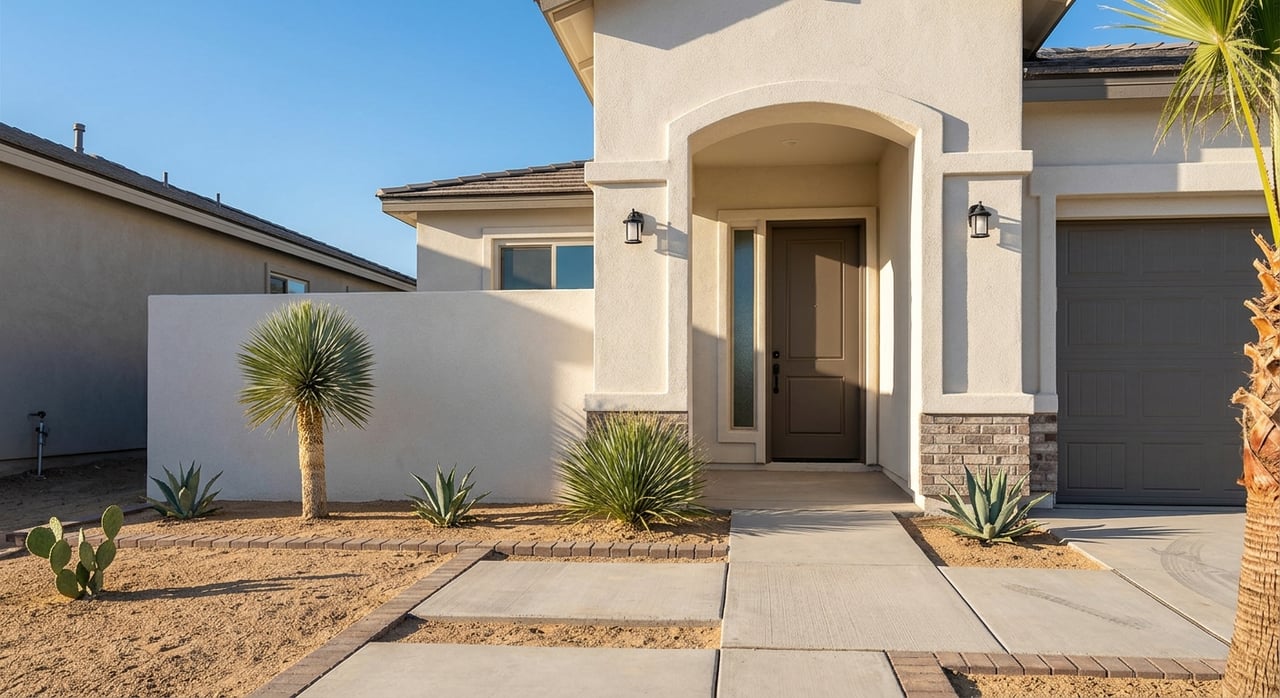
Thinking about buying a brand-new home in East El Paso? You are not alone. This part of the city continues to draw buyers who want newer homes, expanding amenities, and more options across different price points. If you want a clear path through the process, this guide will walk you through what to expect, what to compare, and where to slow down before you sign. Let’s dive in.
Why East El Paso Draws New Construction Buyers
East El Paso continues to grow for a reason. According to the City of El Paso’s planning division, long-range development has continued moving east, where much of the land is privately owned or undeveloped. That helps explain why so many new communities and homebuilding opportunities are concentrated in this area.
You can also see public investment supporting that growth. The city has continued investing in eastside infrastructure and amenities, including the Eastside Sports Complex expansion. For buyers, that means East El Paso is not just adding homes. It is also adding the services and recreational features that shape day-to-day living.
Some communities highlight just how much variety exists on the east side. For example, Mission Ridge describes itself as part of one of the newest developing areas above Mission Valley, with more than 7 miles of walking trails, 21 playgrounds, more than 39 parks, and 107 acres of open space. That kind of large-scale development is a good reminder that when you buy new construction here, you are often choosing both a house and a broader community plan.
Step 1: Get Preapproved First
Before you tour model homes, get preapproved and build a realistic budget. The Consumer Financial Protection Bureau says closing costs typically run about 2% to 5% of the purchase price. You also need room in your monthly budget for property taxes, insurance, repairs, and HOA dues if the community has one.
If you are considering a home that is not yet built, ask about the builder deposit early. You should also ask whether that deposit is refundable under certain conditions. This matters because your timeline, financing, and construction stage can all affect how much flexibility you have later.
A preapproval also helps you compare homes the right way. East El Paso builder offerings range from homes in the low-$200,000s to floor plans above $400,000, based on current builder pages from communities such as Tres Suenos 25, Tierra del Este 91, and Mission Ridge. Without a clear budget, it is easy to fall in love with a model home that includes upgrades far above the advertised base price.
Step 2: Secure Buyer Representation Early
This step matters more than many buyers realize. Under current Texas law, a license holder working with a prospective residential buyer must enter into a written agreement before showing residential property or presenting an offer, according to TREC. That means it is smart to choose your representation before you start visiting communities.
You may wonder why you need your own agent if the builder already has a sales representative onsite. The short answer is that these are different roles. TREC explains that brokers and sales agents owe fiduciary duties to their clients and must put client interests first, while Texas also allows builders to sell new homes through their own employees in certain situations, as explained in TREC’s consumer guidance.
Your buyer’s agent can help you compare communities, review contract timing, flag questions about incentives, and keep the process organized from first tour to closing. That independent guidance can be especially helpful if you are a first-time buyer, relocating, or trying to compare several eastside builders at once.
Step 3: Compare Builders the Right Way
Model homes are designed to impress you. That is fine, but you should look past the décor and focus on what is actually included.
In East El Paso, builder pages show a wide range of products, prices, and community features. Some also promote incentives tied to preferred lenders or selected communities. The CFPB notes that you do not have to use the builder’s preferred lender, so make sure you understand what incentive you are receiving and what you may be giving up in return.
Here are smart questions to ask when comparing new construction communities:
- What is included in the base price?
- Which finishes, fixtures, or elevations cost extra?
- Is there a lot premium for certain streets or locations?
- Is there an HOA, and what does it cover?
- Which amenities are already built versus still planned?
- What deadlines apply to design selections or upgrades?
- Are lender incentives limited to a preferred lender?
This is especially important in larger eastside developments. On the Mission Ridge home search page, for example, buyers can see multiple builders and product types within the same broader community. Two homes may look similar online, but the included features, upgrade options, and lot costs can be very different.
Step 4: Tour Model Homes With a Checklist
Once you are preapproved and represented, touring becomes much more productive. Instead of simply asking which model looks best, try to evaluate each home as a full package.
Bring a simple checklist and compare the same items in every community:
- Base price
- Estimated monthly payment
- Included appliances and finishes
- Upgrade packages
- Lot size and location
- HOA details
- Estimated build timeline
- Builder warranty structure
- Incentives and lender terms
If the builder has a design center process, ask when your selections must be finalized. CareFree Homes’ design studio information shows how design choices are part of the buyer experience, but those choices often come with deadlines and added costs. The earlier you understand that process, the easier it is to stay on budget.
Step 5: Understand School District Boundaries
For many buyers, school zoning is part of the home search process. In East El Paso, Socorro ISD states that it serves Socorro, Horizon City, and the eastern portion of the City of El Paso. The district also describes itself as one of the fastest-growing school districts in Texas.
Because boundaries and assignments can change, it is wise to verify school zoning directly with the district before you commit to a specific address or lot. This is especially important in fast-growing areas where new communities continue to come online.
Step 6: Use the Right Contract for the Build Stage
In Texas, the contract form should match the construction stage of the home. TREC has a new-home contract for incomplete construction and a separate form for completed new construction.
That distinction matters. A home that is still being built raises different questions about timelines, change orders, completion dates, and walkthroughs than a home that is already finished and ready to close. If you understand which contract applies, you can ask better questions before you commit.
This is another point where having your own representation helps. Builder paperwork can feel streamlined, but you still want someone focused on your side of the transaction and your deadlines.
Step 7: Plan for Inspections Anyway
A brand-new home still needs an independent inspection. TREC says that builder quality-control reviews, phased inspections, and code or warranty inspections are not substitutes for an inspection by the buyer’s own licensed inspector, as explained in its inspection guidance.
That surprises some buyers. They assume new means problem-free, but every home can have issues, whether that involves installation, finish work, or system performance. An independent inspection gives you another layer of information before closing.
It can also help to think beyond one inspection. Since a home inspection is a limited visual survey, some buyers schedule an inspection near completion and another before certain warranty deadlines. That approach can help you catch concerns while warranty coverage is still active.
Step 8: Review the Builder Warranty Carefully
Warranty coverage is not the same from one builder to the next. For example, CareFree Homes advertises a 10-year structural warranty plus 30-day and 11-month warranty appointments. Other builders cited in the research report advertise different combinations of full-home, systems, workmanship, and structural coverage.
The key takeaway is simple: do not assume all builder warranties are the same. Ask for the warranty details in writing and review the timelines for submitting repair requests. You should know what is covered, how long each type of coverage lasts, and how to request service.
If something does go wrong, document it early. Texas Property Code Chapter 27 requires written notice before a construction-defect action and gives the contractor a reasonable opportunity to inspect the property. Keeping photos, notes, and written communication can make the process much easier if you need repairs addressed.
Step 9: Prepare for Closing
As your home nears completion or your contract moves toward closing, the title and escrow stage becomes important. TREC explains in its Texas home buying guide that the title or escrow agent acts as a neutral third party who reviews closing documents and helps ensure the transaction details are complete.
This is where many moving parts come together. Your lender, title company, builder, and agent all play a role in getting documents, funds, and final details lined up. Even if the builder has a polished process, you still benefit from having someone help you track next steps and avoid last-minute surprises.
Common East El Paso New Construction Mistakes
If you want a smoother buying experience, watch out for these common mistakes:
- Falling for the model home without pricing the upgrades
- Assuming the advertised price includes everything shown
- Using a preferred lender without comparing other loan options
- Skipping independent inspections because the home is new
- Overlooking HOA dues or lot premiums
- Failing to verify what amenities are built today versus planned later
- Waiting too long to get buyer representation in place
Most of these issues are avoidable when you ask the right questions early. The more organized you are up front, the less stressful the process tends to be.
Final Thoughts on Buying New in East El Paso
Buying new construction in East El Paso can be a smart move if you like the idea of newer homes, expanding communities, and the ability to choose features that fit your needs. The key is to slow down enough to compare builders carefully, understand the contract stage, budget for more than just the base price, and keep your own advocate involved from day one.
If you want step-by-step guidance as you compare eastside communities, builders, and move-in timelines, connecting with a local agent can make the process much easier. When you are ready to explore your options, reach out to Celeste Aguilar for patient, local guidance tailored to your goals.
FAQs
What should you compare when buying new construction in East El Paso?
- You should compare the base price, included features, upgrades, lot premiums, HOA details, builder incentives, warranty terms, and whether amenities are already built or still planned.
Why do you need your own agent for a new construction home in Texas?
- A buyer’s agent is your independent representative, while the builder’s onsite representative serves a different role, and TREC guidance emphasizes written representation agreements and fiduciary duties to clients.
Do you need a home inspection for a brand-new house in East El Paso?
- Yes, TREC says inspections done by the builder, for code compliance, or for warranty purposes are not substitutes for an inspection by your own licensed inspector.
What school district serves much of East El Paso new construction?
- Socorro ISD says it serves Socorro, Horizon City, and the eastern portion of the City of El Paso, but you should verify zoning for any specific address directly with the district.
Are builder warranties the same for every new construction home in El Paso?
- No, warranty coverage varies by builder, so you should review the warranty terms, timelines, and repair request process in writing before closing.
